
Brian Stewart · Operator · AI Fleet Builder
The marketer who got
specialized in AI.
A fleet of AI agents I designed — twelve leads, each owning one area of the business — runs my businesses behind an approval gate, on my data. I teach operators to do the same, with a marketer’s eye for what actually grows revenue.
$97/mo · Founding 50 lock $47 for life
4 EXITS · 11 M&A · $15B IN SALES


1,200+ operators have built with Brian
The fleet I designed and run
Twelve leads. One operator directing.
It looks like an org chart because that’s how people read a team. Underneath, nobody reports to anybody: each lead owns an area, Sawyer routes the work, and I approve it. Familiar shape. New way of working.
The original. Calendar, inbox triage, and the daily operating cadence.
Owns every primary agent. Routes each request to the right lead and holds the approval queue.
Offer, positioning, and channel strategy — the growth plan the fleet executes.
Owns the knowledge base. Validates what's true before anyone acts on it.
Sites, integrations, pipelines. Builds what the others spec.
Brand direction, hero concepts, and implementation-ready visual guidance.
Scripts, captions, articles, email — in my voice, from my positioning.
Books, cash, and margin reconciled against what actually closed — not platform ROAS.
Lead qualification, follow-up, proposals, pipeline.
Replies, retention, reviews — the customer's inbox, not mine.
Credentials, access, and the rules everyone else works inside.
The gate. Works hand in hand with Knox — nothing goes live until it passes both.
You · Approve
Every consequential step waits on your yes.
It drafts. You decide.
Behind all of them
One knowledge base they share.
Every recommendation traces to a source.
The knowledge base
A fleet is only as good as
what it knows about you.
Generic agents work from the public internet and give generic answers. Mine work from my knowledge base: everything I have at my disposal about me, my businesses, my voice and my markets. Some of it is indexed and queryable, some of it I hand the fleet when the work calls for it. That is the whole difference, and it is the part people skip.
PERSONAL
Who you are
History, judgment calls, decisions already made. What a new hire needs a year to absorb.
PROFESSIONAL
How the business runs
Offers, pricing, customers, margins. What worked and what failed.
VOICE
How you sound
Learned from your actual writing, not a style guide describing it.
MARKET
Your industry, continuously
Experts, competitors and channels in your vertical, kept current and cited.
My knowledge base, right now
PULLED LIVE · UPDATED DAILY
Building your own is one of the practices I teach. What to collect, what to structure and what to keep on hand, how to ingest it properly rather than dump it, and how to point agents at the right thing at the right moment. It compounds.
EVERY ANSWER TRACES TO A SOURCE
What it runs on
No magic. A stack you can name.
The same tools real software companies use, set up in accounts you own. I will tell you exactly what the fleet runs on, because the tools are not the advantage. What you put in them is.
Claude
The intelligence
Reads, writes, plans and decides. The judgment layer, and the one that knows when to stop and ask you.
Hermes
The runtime
Where the agents actually live. Identity, memory, skills and the approval queue that gates every consequential step.
Supabase
The memory
Postgres you own. The knowledge base, the records and the operating history sit in your database, under your login.
Vercel
The home
Sites and endpoints deploy to your own account. Push a change and it is live in seconds.
// THE OWNERSHIP ADVANTAGE
Your keys. Your data. Your fleet.
Because the accounts are yours, not a seat you rent.
Every key, database and deployment sits in accounts under your name. No vendor can raise the price on your own operation, change the rules underneath you, or lock you out of your data. And because you built it, you can change it — the fleet bends to how your business actually works, not the other way round.
What it actually does
Growth work, not busywork.
The fleet is pointed at revenue. These are jobs it runs in my businesses this week.
Find where the money is leaking
Spend, funnel and margin reconciled against what actually closed — not platform ROAS.
Draft the campaign, not the caption
Offer, audience, creative angle and budget, built from what has already worked.
Keep the catalog honest
Product data, feeds and inventory accurate across every channel that sells.
Answer the customer faster than you can
Replies, follow-up and retention in your voice, waiting on your yes.
Watch the numbers you actually run on
Tracking verified, then reported plainly. No dashboard theatre.
Write in your voice, at volume
Email, social and long form drawn from your positioning and your record.
APPROVAL-GATED · IT DRAFTS. YOU DECIDE.
What it has moved
Numbers, with the business attached.
Receipts
I still run the stores.
Not a case study from a decade ago. These are live Shopify stores I own or operate today, and the fleet works inside them every day. The teaching comes out of the operating, not the other way round.
READ FROM THE SHOPIFY ADMIN · SEPTEMBER 2026
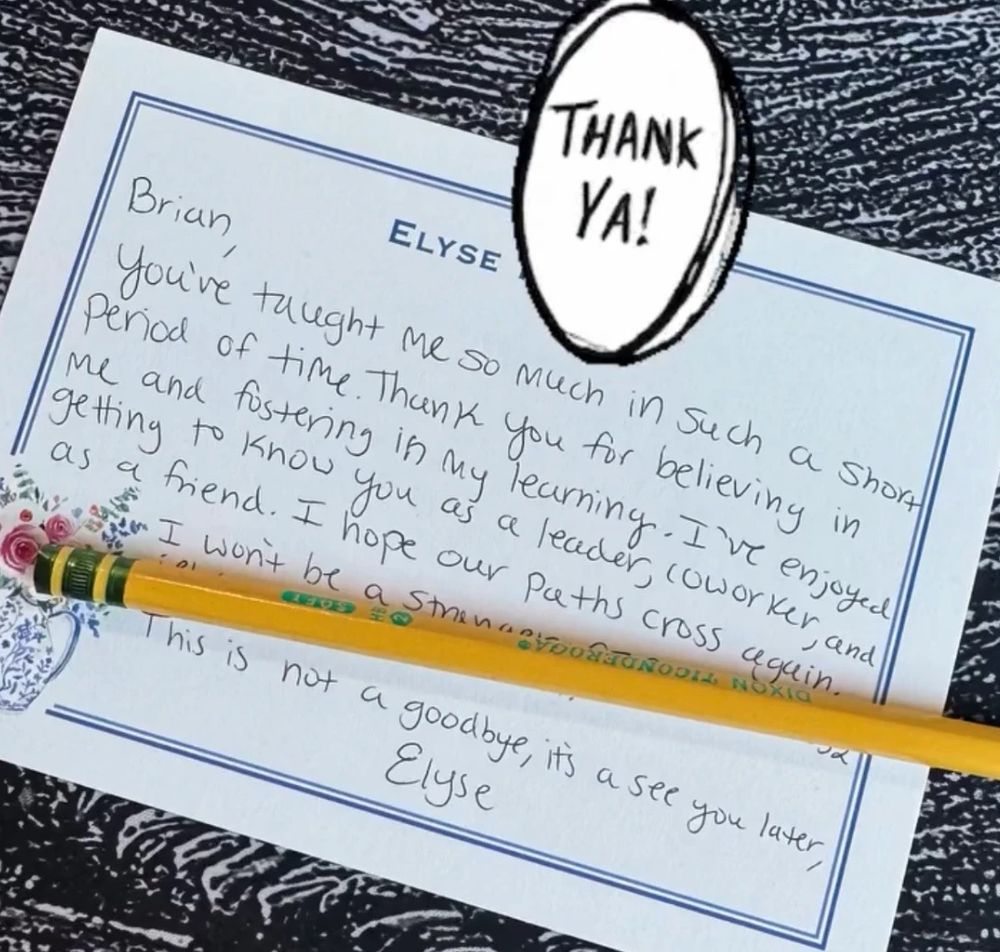
“You've taught me so much in such a short period of time. Thank you for believing in me and fostering my learning.”
Elyse · Worked with Brian directly
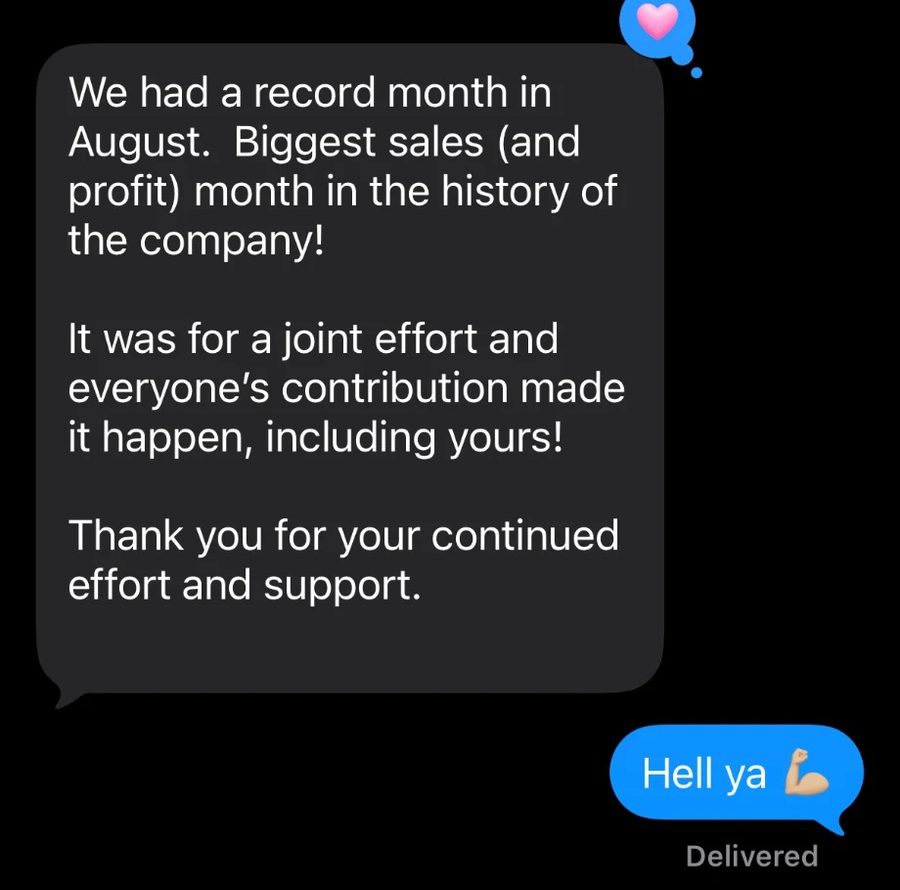
“We had a record month in August. Biggest sales (and profit) month in the history of the company.”
David · Business Brian operates in